Why Mobile App Design Matters For Modern Commerce
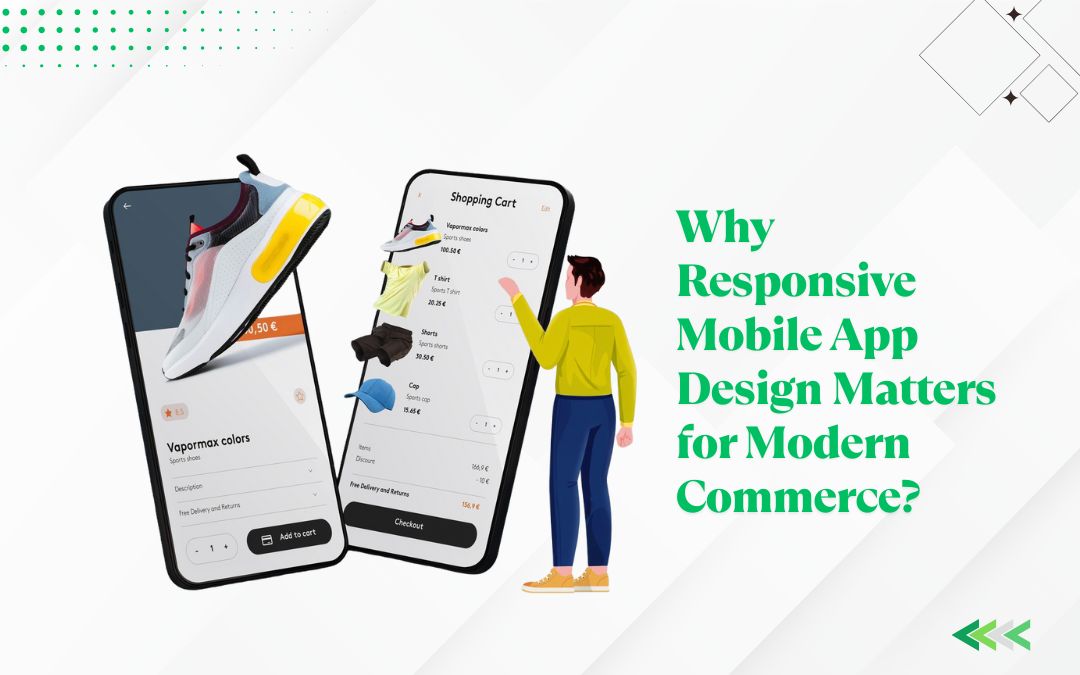
The use of mobile app has risen so drastically that companies need to adjust to how consumers communicate online. Developing a responsive website is now essential as the majority of users browse on their phones. A mobile-friendly design guarantees that users can easily access material at any time and from any location, enhances user experience, boosts engagement, and raises online visibility.
Growing Mobile Usage
More people now browse the internet on their phones than on computers. This shift means businesses must mobile app design websites that adjust smoothly to smaller screens. When a site is not mobile-friendly, visitors struggle to read, scroll, or interact—often leaving the site and choosing a competitor instead.
Mobile phones dominate global web traffic. Millions of people shop, search, and read online using smartphones. Businesses that ignore mobile users risk losing customers instantly.
Improved User Experience (UX)
Responsive mobile app design makes websites easier to use on any device. Since mobile screens are small, designers must focus on clarity, simple layouts, and easy navigation.
Clear visual structure so users find content quickly. Large, easy-to-tap buttons for fingers. Designs that work without mouse hover effects. Images resized to load well on small screens.
Faster Loading Speed
People expect websites to load in seconds. Slow pages push users away and reduce sales. Delays of just one second can lower customer satisfaction. Faster sites improve conversions and keep users engaged.
Better Conversions & SEO
Responsive sites reduce bounce rates and increase sales because users feel more comfortable navigating them. Google also ranks mobile-friendly sites higher, helping businesses get more visibility.
High – apex of Having a Mobile-Responsive Website
Less Maintenance Work
A responsive website removes the need for separate desktop and mobile versions. Instead of managing two different sites, everything is handled in one place.
Fewer updates and fixes to manage. Saves time for other tasks like marketing or content creation. Easier for designers and business owners to maintain.
No Duplicate Content Issues
When one design works for all devices, you avoid duplicating content across two versions of a site. Helps maintain stronger search rankings. All SEO efforts apply to both mobile and desktop pages automatically.
Lower Bounce Rates
A responsive site gives users a smoother and more comfortable browsing experience. Visitors stay longer and explore more pages. Reduced chance of users leaving because of poor design.
Easy Content Management
With a responsive layout, you only create and update content once. No need to manage different text for mobile and desktop. Less risk of SEO penalties caused by duplicate content.
Better Social Media Engagement
Mobile-friendly sites work well when visitors come through social media links. Smooth navigation after clicking from social apps. More traffic and better lead generation.
Improved User Experience
First impressions matter, and a responsive site ensures a pleasant experience on any device. No zooming or screen adjusting needed. Users find information quickly and comfortably.
Users want quick, easy, and smooth surfing across all devices, according to mobile app trends. Long-term growth, improved customer happiness, and a competitive edge in the modern digital environment are all guaranteed by investing in mobile responsiveness.